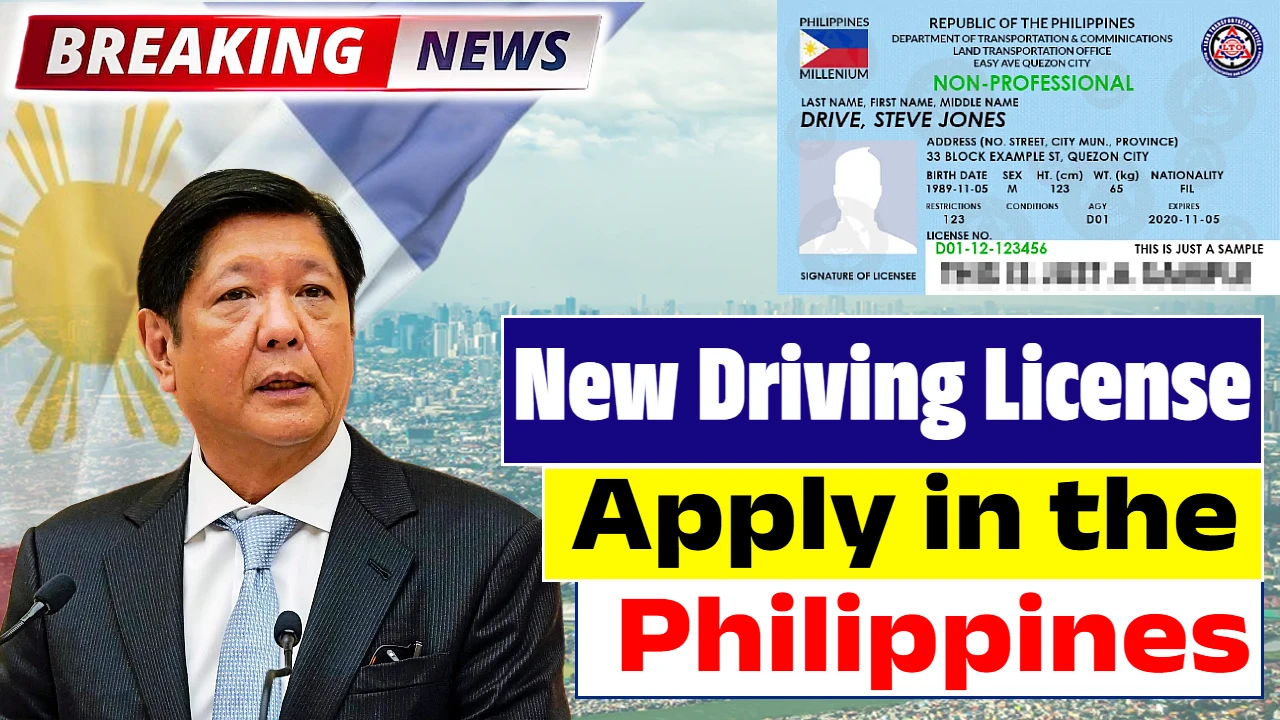
Getting a new driver’s license in the Philippines is a big step for many people. New drivers often feel confused because they do not know the full process. Some hear different things from friends, and some read hard information online. Because of this, people want a clear and easy explanation in simple words.
The Philippines has made some new changes for people who want a driver’s license. These changes focus on learning driving first, not only getting the license fast. New drivers need to understand traffic rules and basic driving skills. The aim is to make roads safer for drivers and walkers too.
New Driver’s License in the Philippines
For first-time applicants, the license process may look scary. Tests, papers, and office visits sound stressful. But when steps are explained one by one, it becomes much easier. Being ready before going to the LTO office can save time and avoid problems.
In this blog, we will explain the new driver’s license system in very easy language. We will talk about who can apply, what papers are needed, and what steps to follow. This guide is written for beginners, so anyone can read and understand without confusion.
Why the Philippines Updated Its Driver’s License Policy
The Philippines changed its driver’s license rules for a few important reasons. First, the government wants to make roads safer. Many accidents happen because drivers do not know the rules well or are not trained properly. The LTO hopes the new rules will reduce accidents and make driving safer for everyone.
Second, the new rules make getting a driver’s license easier. Before, applying for a license could be confusing and take a long time. Now, applicants can follow the steps more easily and know what to do.
Another reason is to modernize the system. The Philippines wants the driver’s license to meet international standards. This means better ID cards, digital records, and more organized tests for all applicants.
Types of Driver’s Licenses Available
The LTO gives different types of driver’s licenses depending on what vehicle you want to drive. Each license has its own rules, requirements, and fees. It is important to know which license you need before applying.
Student Permit: This is for beginners who are learning to drive. With a student permit, you can practice driving, but only with a licensed driver. It helps you learn and prepare for the real driving test.
Non-Professional Driver’s License: This is for people who drive personal vehicles, like cars or motorcycles, but do not earn money from driving. To get this license, you must have a student permit for at least one month and pass the practical driving test.
Professional and Special Licenses: A professional license is for people who drive for work, like taxi, bus, or delivery drivers. Special licenses are for trucks, buses, or vehicles carrying dangerous goods. Each license has its own rules, age limits, and fees, so check before you apply.
Fees and Charges for Driver’s License
| Fee Type | Amount (₱) |
|---|---|
| Application Form | ₱100 |
| Written and Practical Exam | ₱100 |
| Student Permit | ₱200 |
| Driver’s License Card | ₱252 |
| Total Estimated Cost | ₱652 |
Special Programs for Senior Drivers and Students
The LTO has special programs to help some drivers. For senior drivers, the program is about safe driving for older people. Seniors may need a medical certificate to show they are healthy to drive. The LTO also asks them to join refresher driving courses to stay safe.
For students, the program helps them get learner permits more easily and learn safe driving. Some schools work with LTO to give beginner driving lessons. This helps young drivers practice before taking the real driving test. These programs help make driving safe for everyone.
New Rules for Motorcycle and Non-Motorized Vehicles
Motorcycles are very common in the Philippines. The new rules are for safety and proper driving. Motorcycle drivers must take a special test to show they can drive two-wheel vehicles safely. Wearing helmets is required all the time.
For non-motorized vehicles like bicycles, the LTO also wants drivers to be safe. You do not need a license for normal bicycles, but you must follow traffic rules and wear safety gear when needed. The goal is to reduce accidents and make the roads safer for everyone.
How to Apply for Philippine Driver’s License
Applying for a driver’s license in the Philippines is now easier and more organized. Here are the steps:
- First, get a student permit if you are a first-time driver. You need your birth certificate, a valid ID, and a medical certificate.
- Next, take driving lessons and practice driving with a licensed driver. Some schools also offer beginner driving courses.
- After that, apply for a non-professional or professional license at your local LTO branch. Bring your student permit, medical certificate, and other required documents.
- Then, take the written and practical driving tests. You must pass both tests to get your license.
- Pay the fees, which may change depending on the type of license and your location.
- Finally, receive your driver’s license. Now you can legally drive in the Philippines.
- Always check the LTO website for updates because rules, requirements, and fees may change from time to time.
FAQs
How long is a driver’s license valid?
Non-professional and professional licenses are usually valid for 5 years. Student permits may be valid for 1 year.
How can I prepare for the written exam?
You can study the LTO driver’s manual and practice sample questions online or at your driving school.
Can I apply for a license without attending driving school?
It is recommended to go to a driving school, but some LTO branches allow applicants to apply directly if they can pass the exams.