The landscape of Canadian immigration is shifting as we approach 2026. With the Government of Canada implementing new rules and a revised Immigration Levels Plan, understanding how to apply for a work permit is more critical than ever.
Whether you are seeking an open work permit, a post-graduation work permit (PGWP), or looking for a pathway to permanent residence, staying informed about processing times and eligibility will be the key to your success as a temporary resident in 2025 and beyond.
The Evolving 2026 Work Permit Landscape
In 2026, Canada is moving toward a more managed approach to immigration. The IRCC (Immigration, Refugees and Citizenship Canada) has introduced stricter targets to reduce the share of temporary residents to 5% of the total population. This means that while opportunities still exist, every applicant must be more precise with their work permit application.
The new Canada strategy prioritizes foreign workers who fill a specific labour market shortage, particularly in the agri-food sector, healthcare, and skilled trades. If you are already in Canada and your current work permit is nearing its expiry date, you must act quickly to extend your work permit. The processing times have been modernized, but with a smaller quota for certain streams listed under the International Mobility Program, early submission is your best strategy.
Securing an Open Work Permit in 2026
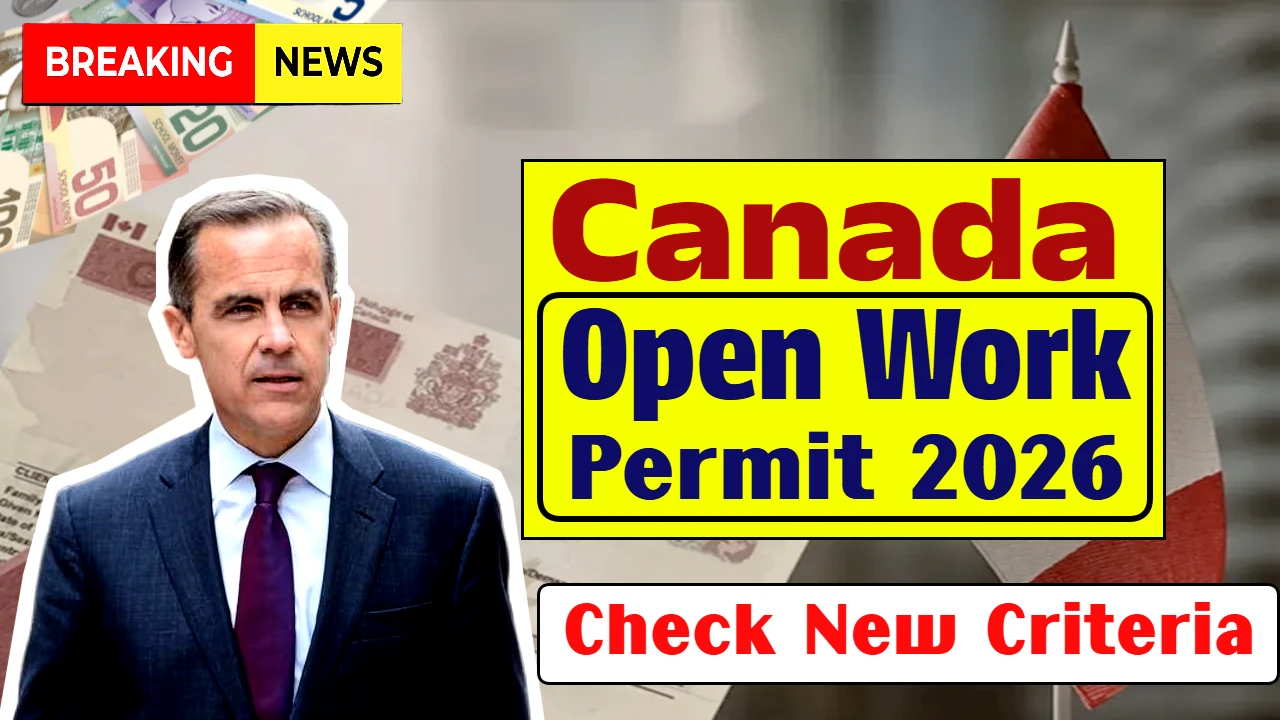
An open work permit remains one of the most flexible ways to work in Canada because it is not tied to a specific employer. In 2026, this work permit category is highly sought after by those who have applied for permanent residence and are waiting for a decision.
Under current temporary public policies, if you were part of the 2021 TR-to-PR pathway and your application is still pending, you may be eligible to apply for an open work extension valid until December 31, 2026.
To be eligible for this open work authorization, the principal applicant must meet specific eligibility criteria, including:
- Maintaining valid temporary resident status.
- Residing across Canada (excluding Quebec for some programs).
- Meeting language eligibility requirements established by IRCC.
Pathways for International Graduates (PGWP)
The post-graduation work permit has undergone significant work permit changes. For international graduates in 2025 and 2026, the eligibility for a PGWP now often depends on the field of study. While master’s and PhD graduates still enjoy a stable pathway, those from post-secondary diploma programs must ensure their occupation aligns with long-term labour shortages.
If you are a principal applicant who graduated from a Canadian institution, you must apply online within 180 days of receiving your final marks. It is important to note that new rules now require most applicants to submit a language test result. This canadian work experience is invaluable, as it often serves as the primary stepping stone toward permanent residence and Canadian citizenship.
Family and Spouse Work Authorization
Canada continues to value family reunification, but the eligibility for a spouse or common-law partner to receive an open work permit has become more refined. Usually, a spouse is eligible if the principal applicant is working in a high-skilled occupation or is a student in a professional degree program.
| Applicant Type | Permit Type | Key Requirement |
| Principal Applicant | Employer-Specific | Valid Job Offer & Employer Compliance |
| Spouse / Common-Law Partner | Open Work | Evidence of relationship & Principal Applicant status |
| Dependent Child | Study/Work | Age under 22 and dependent status |
A dependent child or spouse can often apply for an open work permit to support the family’s transition. However, you should check the latest updates on canada.ca to ensure your specific stream has not been affected by recent quota adjustments.
Transitioning to Permanent Residence (PR)
For many foreign workers, the ultimate goal is permanent residence. In 2026, IRCC is launching a “one-time” initiative to fast-track PR for 33,000 temporary foreign workers already in Canada. This immigration program focuses on those in rural areas and high-demand sectors.
To submit your permanent residence application successfully, you should:
- Monitor your status: Ensure you never stay past your visa or permit expiry date.
- Gain Canadian Experience: At least one year of canadian immigration recognized work experience is often required.
- Check Provincial Options: Many provinces have their own provincial nominee programs that offer a direct pathway to PR.
Whether you are self-employed or working for a specific employer, staying compliant with employer compliance regulations is essential. Canada may be getting stricter, but for the diligent applicant, the pathway to a new life remains open.
Frequently Asked Questions
Can I still apply for a work permit at a port of entry?
While “flagpoling” was common in the past, IRCC now strongly encourages all temporary residents to apply online. For many programs, such as the PGWP, you must apply online and cannot apply for a work permit at the border.
What happens if my work permit expires while I’m waiting for a new one?
If you apply for an extension before your current permit’s expiry date, you may have“maintained status.” This allows you to continue to work in Canada under the same conditions until a decision is made on your new work authorization.
Is the TR-to-PR pathway open in 2026?
The original 2021 program is closed, but a new pathway for 2026 has been announced in the Immigration Levels Plan to transition 33,000 temporary residents to permanent residence. Always check the official government of canada website for the most current pilot program details.