The minimum wage is the lowest money a worker can get for one hour of work. In the U.S., workers must be paid at least $7.25 per hour by federal law. This has not changed for many years. But prices for things like food, rent, electricity, and transport are going up. Because of this, many states and cities are raising their own minimum wage. This helps workers get more money to pay for daily needs.
In 2025 and 2026, many states plan to increase the minimum wage. Regions such as California, New York, and D.C. already have higher wages than the federal level. Some of them pay $15 per hour or more. This helps workers buy food, pay bills, and take care of their families.
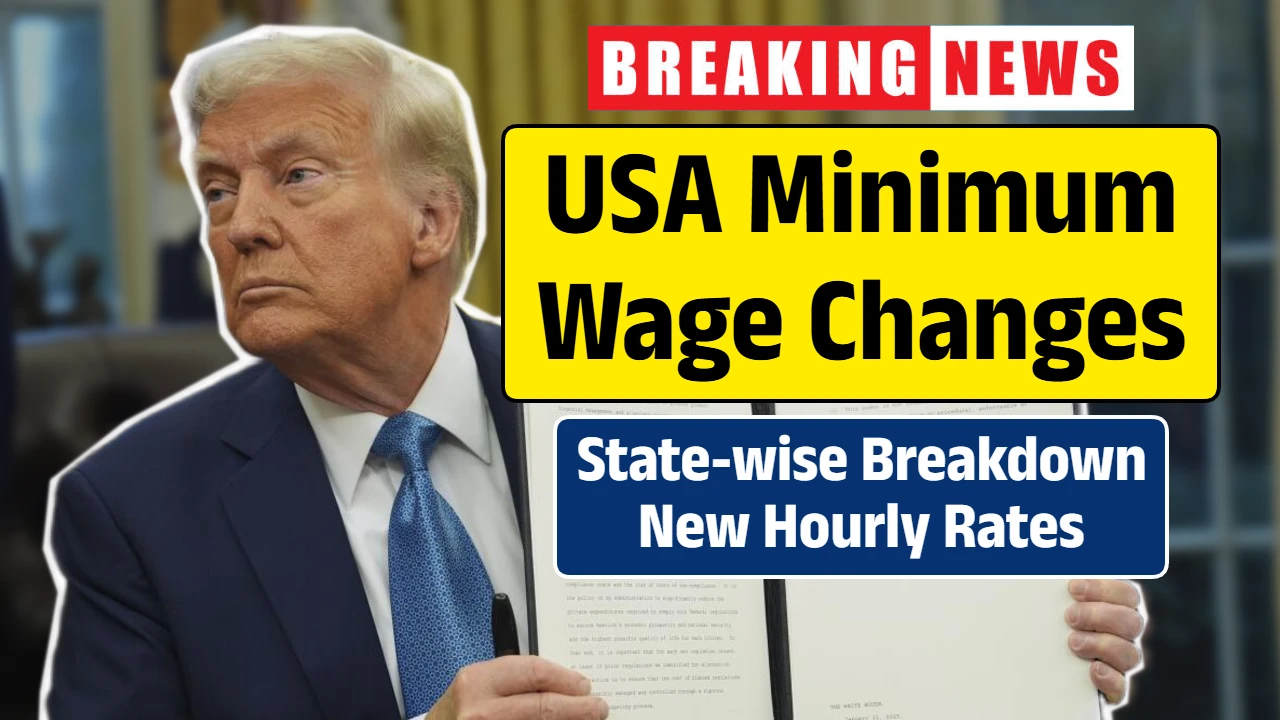
USA Minimum Wage Changes
Even though the federal minimum wage stays the same, local and state rules are different. This means workers can earn different money depending on the state or city. Some cities want to raise wages even higher, like $17–$25 per hour in the future.
Minimum wage changes are important because they help workers live better. When prices go up, higher wages can help people pay for things they need. These changes show that the government and local authorities want to support workers and families.
Reasons of the USA Minimum Wage Changes
The main reason for the recent talks about minimum wage in the USA is the rising cost of living. In the past few years, prices of food, rent, medical care, and daily needs have gone up a lot. But the federal minimum wage has not changed for a long time. Because of this, many workers are finding it hard to pay their bills and manage daily expenses.
Another reason is fairness. Many people believe that if someone works full time, they should earn enough money to live a basic and decent life. Supporters of higher wages say that increasing the minimum wage can help poor families and reduce the need for government help.
Inflation is also an important reason. When inflation increases, the value of money becomes lower. This means workers can buy less even if their salary stays the same. To fix this problem, leaders want to raise wages so workers can keep up with rising prices.
USA Minimum Wage Changes State-wise
| State | 2025 Minimum Wage (Hourly) |
|---|---|
| California | $16.00 – $17.00 |
| Washington | $16.28 |
| New York | $16.00 (Higher in NYC) |
| Florida | $13.00 |
| Illinois | $15.00 |
| Colorado | $14.42 |
| New Jersey | $15.13 |
| Connecticut | $15.69 |
| Massachusetts | $15.00 |
| Texas | $7.25 (No state increase) |
Federal Minimum Wage Timeline
Below is a simple and easy timeline that explains how the federal minimum wage may change from 2025 to 2030. It is written in very basic English and easy to understand.
- 2025 – The federal minimum wage stays the same at $7.25 per hour. However, some states start increasing their own minimum wages.
- 2026 – The government talks more about raising the federal minimum wage. A new proposal gets attention in Congress. Many states also approve higher local wages.
- 2027 – Some states begin paying higher minimum wages. In these states, workers may earn between $10 and $15 per hour, based on living costs.
- 2028 – More states and cities raise their minimum wages. At the federal level, discussions about a wage increase continue.
- 2029 – If lawmakers agree, the federal minimum wage may finally increase this year.
- 2030 – By this time, many workers across the country may earn higher hourly pay. States will still have the power to set their own minimum wages.
This timeline shows that minimum wage changes happen slowly. It takes time because both the federal and state governments must discuss and approve changes. Some states move faster, while others take more time based on their local economy.
Impact of Minimum Wage Hike on Low-Income Families
A rise in minimum wage can help poor families a lot. When workers get more money for each hour, they have more to pay for food, rent, travel, medicines, and other needs. This extra money makes life a bit easier.
Getting more pay can also make families less worried about money. People may not need to borrow or ask for help as much. They can feel better at work and more happy. Not all families get the same help, but for many, higher wages make life better.
How to Calculate Your Minimum Wage Pay
| How to Calculate | Example | Result |
|---|---|---|
| Hourly wage | $15 | $15/hr |
| Hours per week | 40 | 40 hrs |
| Weekly pay | 15 × 40 | $600 |
| Monthly pay | 600 × 4.3 | $2,580 |
| Yearly pay | 600 × 52 | $31,200 |
Challenges Faced After Minimum Wage Increases
Raising the minimum wage helps workers, but it can also cause some problems. Small businesses may find it hard to pay more money, so they might give fewer hours or hire less people. Sometimes, higher wages can make the prices of things like food and goods go up, so workers may not feel they get much extra.
Some jobs, like in restaurants or shops, already make little profit, so higher wages can be hard for them. Also, different states may raise wages at different times, which can be confusing for workers and bosses. It is not easy to give fair pay while keeping businesses safe.
FAQs
Who decides the federal minimum wage?
The federal government decides it, but states can make their own too.
Does minimum wage help all workers?
Mostly it helps low-income workers, not everyone.
Is minimum wage same in all states?
No. Every state decides its own. Some pay more than the federal wage.